One of the biggest challenges in AI image generation today is character consistency.
You create an amazing character, generate a great image, and then suddenly the next image looks like a completely different person.
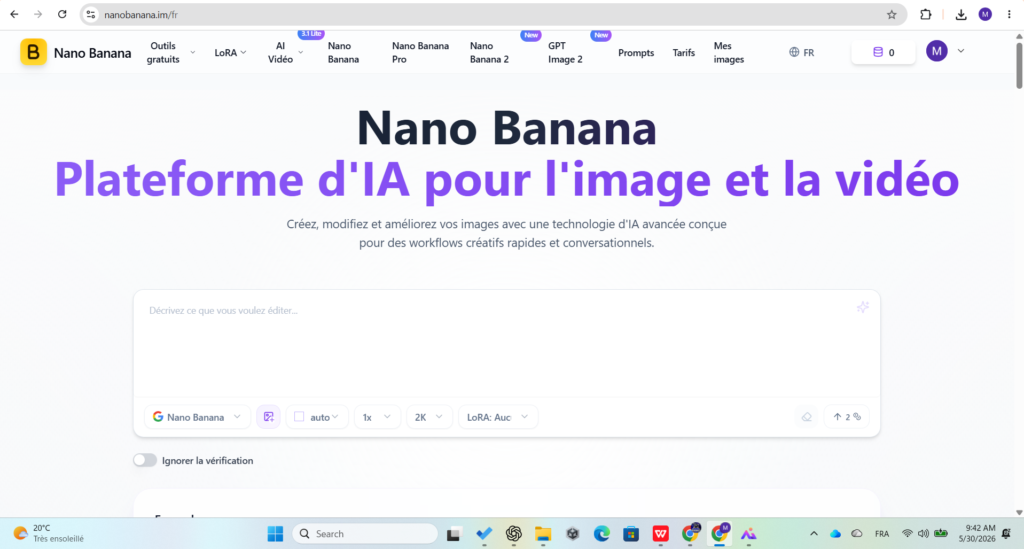
I recently ran into this issue while testing Nano Banana AI with my recurring AI character, Bob The Traveller.
The results were impressive, but they also revealed an important lesson about creating consistent AI characters.
In this guide, I’ll show you exactly what I learned and how you can improve character consistency in your own AI-generated images.
What Is Character Consistency?
Character consistency means keeping the same character appearance across multiple generations.
This includes:
- Face
- Colors
- Clothing
- Body shape
- Accessories
- Overall design
Without consistency, every image feels disconnected.
For creators building stories, social media content, YouTube thumbnails, or AI comics, consistency is essential.
Why I Used Bob The Traveller
For this experiment, I used Bob The Traveller, a character I regularly use when testing AI tools.
Using the same character makes it easier to evaluate how well different AI models preserve identity.
Instead of generating random images, I wanted Nano Banana to place Bob inside a fantasy adventure scene while keeping his original design intact.
Step 1: Start With A Clear Reference Character
The first thing I learned is that AI models perform much better when they have a strong reference image.
If you already have a character, upload the cleanest version possible.
The clearer the reference image, the better the results.
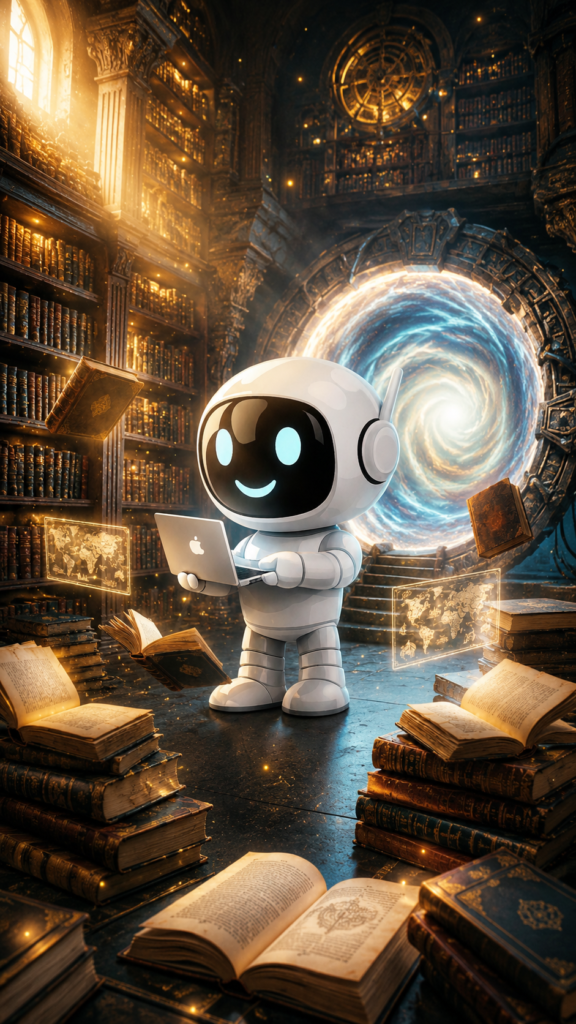
In my case, I used Bob’s original image before generating the final fantasy scene.
Step 2: Describe The Character Precisely
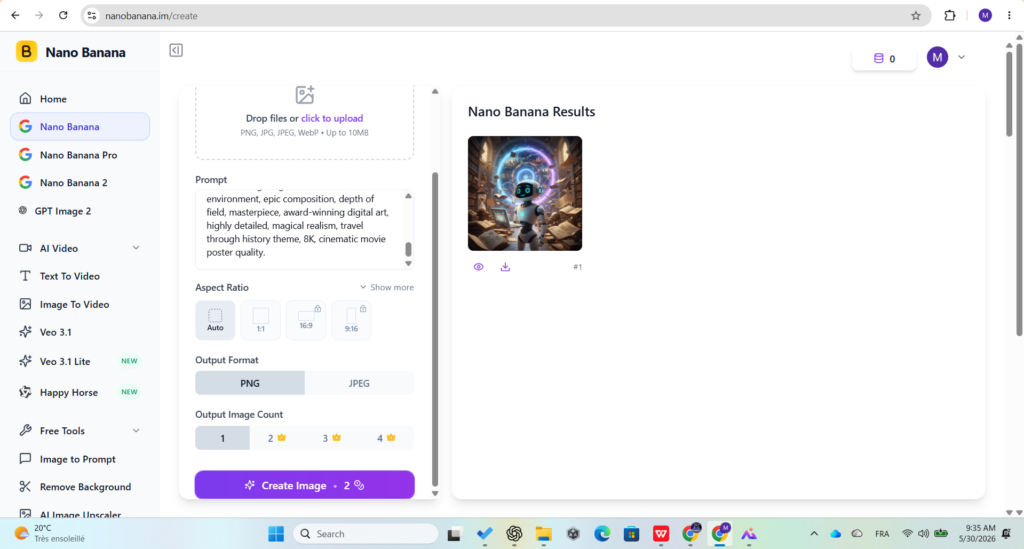
Many users focus only on the environment.
That’s a mistake.
You should describe your character first.
For example:
- White futuristic robot
- Black digital face
- Glowing blue eyes
- Friendly expression
- Small antenna
- Holding a laptop
The more specific your description, the better the AI understands your character.
Step 3: Tell The AI What Not To Change
This step is often overlooked.
When writing prompts, include instructions such as:
- Keep the exact character design
- Maintain the same face
- Preserve the same colors
- Do not redesign the character
These instructions significantly improve consistency.
Step 4: Build The Environment Around The Character
Once the character is clearly defined, you can focus on the scene.
For my test, I created:
- A magical library
- Floating books
- Historical maps
- A giant time portal
- Cinematic lighting
The goal was to create an adventure setting while keeping Bob recognizable.
The Result
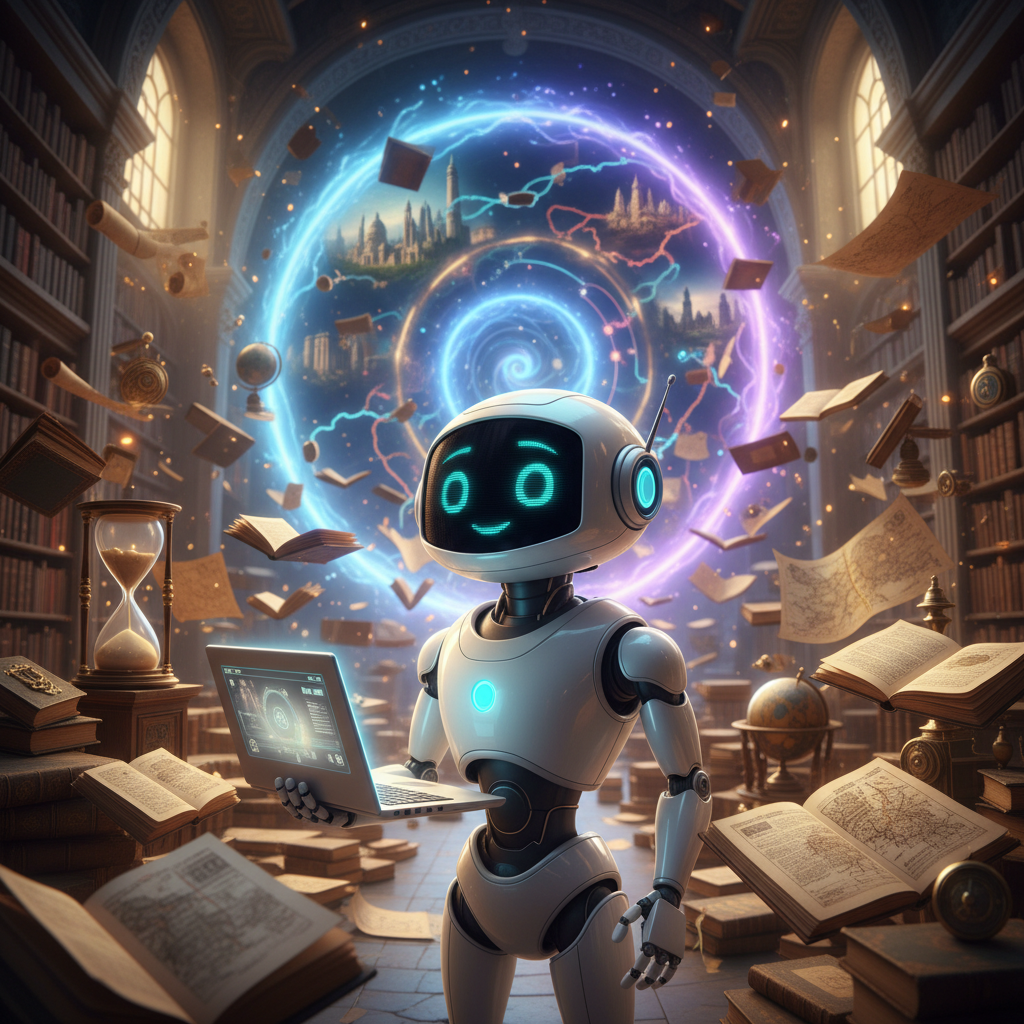
The final image looked fantastic.
The environment was rich, detailed, and cinematic.
The giant portal, floating books, and warm lighting created exactly the atmosphere I was hoping for.
Most importantly, Nano Banana preserved many of Bob’s key visual characteristics.
While it wasn’t a perfect one-to-one recreation, the character remained recognizable throughout the generation.
What Worked Well
✅ Excellent Environment Design
Nano Banana created a detailed fantasy scene full of visual storytelling elements.
✅ Beginner-Friendly Workflow
The platform is easy to understand and doesn’t require advanced technical knowledge.
✅ Strong Creative Results
The generated image felt more like a movie poster than a standard AI image.
What Still Needs Improvement
❌ Perfect Character Consistency
Some details of Bob’s original design changed slightly during generation.
❌ Advanced Character Controls
More options for locking specific character features would improve the experience.
Tips For Better Results
If you’re trying to build a recurring AI character, follow these rules:
- Always use the same reference image.
- Keep the character description consistent.
- Describe the character before the environment.
- Tell the AI what not to change.
- Save successful prompts for future generations.
Final Thoughts
After testing Nano Banana AI with Bob The Traveller, one thing became clear:
Creating consistent AI characters is possible, but it requires the right approach.
Nano Banana performed surprisingly well, especially when it came to environment creation and visual storytelling.
While perfect consistency remains a challenge, using strong reference images and detailed prompts can dramatically improve your results.
If you’re building AI characters for stories, social media, YouTube content, or creative projects, these techniques can help you achieve much better results.
And as Bob The Traveller discovered during this experiment, a great prompt can turn a simple image into the beginning of an entirely new adventure.