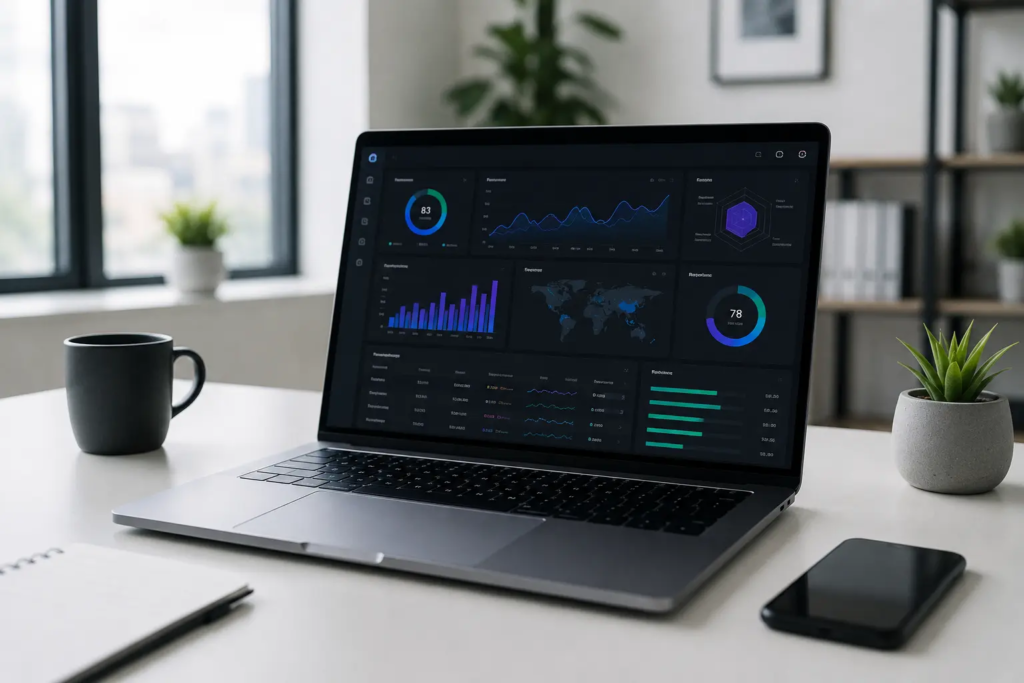
The search landscape has changed dramatically. Today, users are increasingly turning to ChatGPT, Gemini, Perplexity, and Google AI Overviews instead of traditional search engines to find answers, recommendations, and product comparisons.
For brands, this creates a new challenge. Ranking on Google is no longer enough. If your company isn’t cited in AI-generated answers, you’re missing valuable visibility during high-intent moments when users are actively making decisions.
After researching and comparing the leading AI SEO platforms, I found that traditional SEO tools alone can’t provide the visibility data needed for AI search. The tools below help brands monitor citations, benchmark competitors, and identify content opportunities specifically designed for AI-generated answers.
If you’re new to this topic, check out our guide on What Is Generative Engine Optimization (GEO)?
Quick Comparison of the Best AI SEO Tools
| Tool | Best For | Starting Price | AI Engines |
|---|---|---|---|
| Wellows | Overall AI visibility tracking | $97/month | 5+ |
| Profound | Enterprise monitoring | $499/month | 7+ |
| Peec AI | Content gap analysis | €89/month | 7+ |
| Semrush AI Toolkit | Existing Semrush users | $99/month | ChatGPT + Google AI |
| Ahrefs Brand Radar | Ahrefs users | 129/month | 5+ |
Why Traditional SEO Tools Are No Longer Enough
Traditional SEO platforms help you monitor rankings, backlinks, and organic traffic. However, they rarely show whether your brand is appearing inside AI-generated answers.
A page can rank at the top of Google and still be completely absent from ChatGPT recommendations.
That’s because AI engines rely on citations, authority signals, content structure, factual accuracy, and contextual relevance when generating answers. This shift means brands must optimize for visibility inside AI systems, not just search engine results pages.
1. Wellows – Best Overall AI SEO Tool
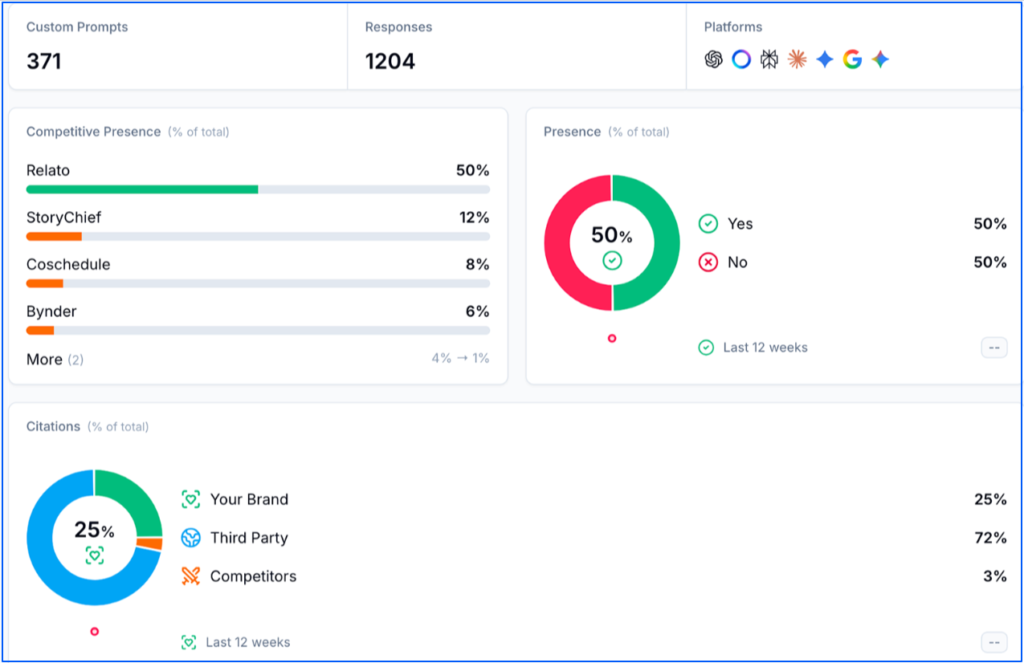
Among all the tools I reviewed, Wellows offers one of the most balanced solutions for monitoring AI visibility.
The platform tracks brand mentions and citations across ChatGPT, Gemini, Perplexity, Google AI Overviews, and Google AI Mode. What makes it particularly useful is its ability to identify visibility gaps and compare your performance against competitors.
During my research, I found the competitor benchmarking and citation tracking features especially valuable because they reveal opportunities that traditional SEO tools simply don’t detect.
What I Liked
- Multi-LLM tracking
- Citation monitoring
- Competitor benchmarking
- Daily data updates
- Easy-to-use interface
Best For
- Marketing agencies
- SaaS companies
- Content teams
- Growing brands
Official Website: https://wellows.com
My Verdict
For most businesses looking to improve visibility in AI-generated answers, Wellows offers the strongest combination of monitoring, reporting, and actionable insights.
2. Profound – Best Enterprise AI Visibility Platform
Profound is designed for enterprise teams that need deep visibility into AI-generated conversations.
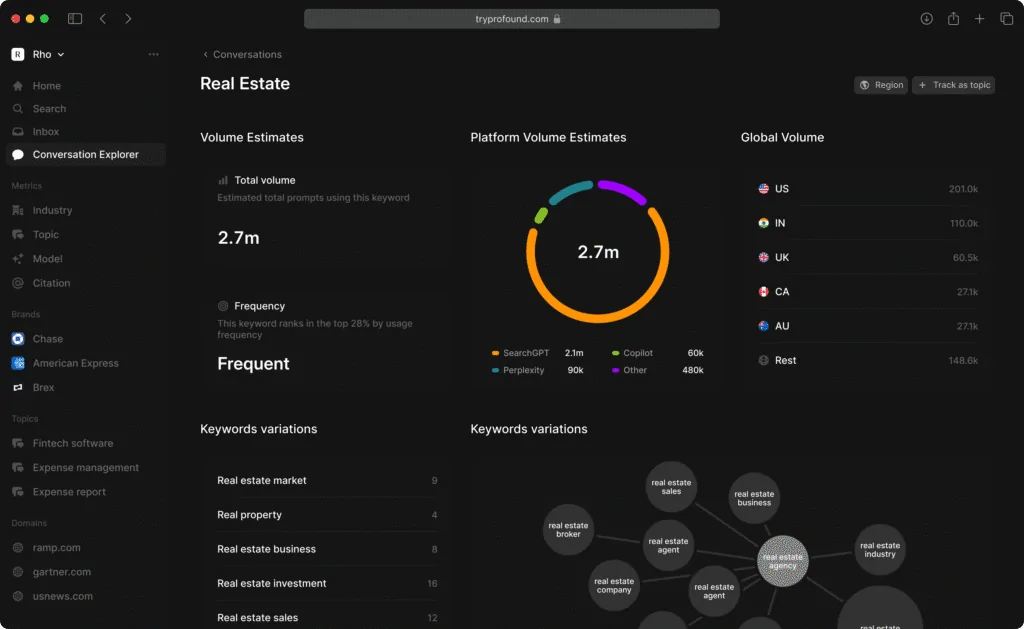
One feature that immediately stood out is Conversation Explorer. Instead of simply showing a brand mention, it allows users to view the complete AI-generated response where their brand appears.
This provides much deeper context than traditional citation tracking.
Key Advantages
- Real-time monitoring
- Full conversation analysis
- Enterprise-level reporting
- Advanced competitor insights
Best For
- Enterprise brands
- Global companies
- Large SEO teams
Official Website: https://tryprofound.com
My Verdict
Profound is one of the most advanced AI visibility platforms available, making it an excellent option for larger organizations with dedicated SEO resources.
3. Peec AI – Best for Finding Citation Gaps
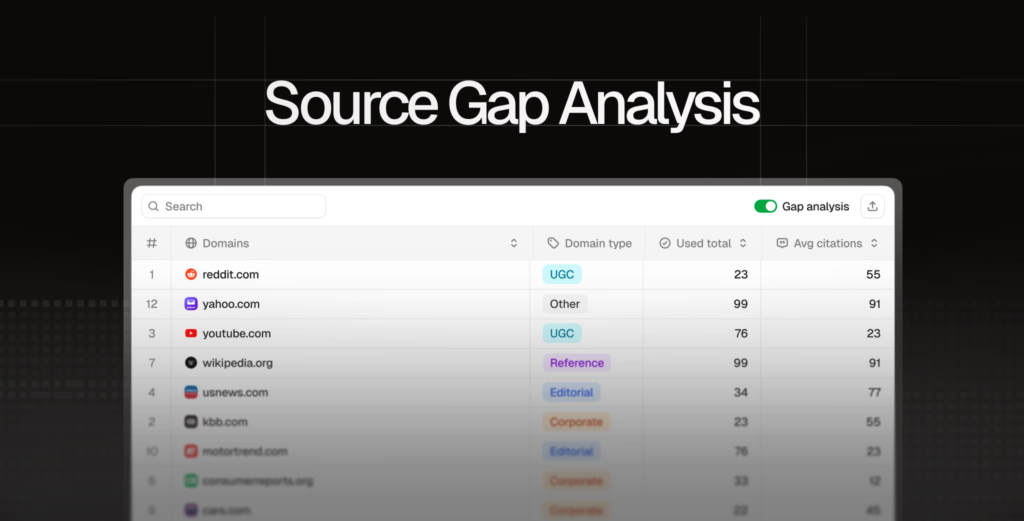
One of the biggest challenges in AI search is understanding where competitors are getting cited while your brand is absent.
Peec AI focuses heavily on solving this problem.
The platform maps topic clusters and identifies areas where competitors dominate AI-generated answers. Instead of guessing what content to create next, you receive a prioritized list of opportunities based on visibility gaps.
Key Features
- Citation gap detection
- Topic opportunity mapping
- Sentiment analysis
- Competitor benchmarking
Best For
- SEO specialists
- Content marketers
- Editorial teams
Official Website: https://peec.ai
My Verdict
If your primary goal is identifying content opportunities and uncovering missed citation opportunities, Peec AI is one of the strongest platforms available.
4. Semrush AI Toolkit – Best for Existing Semrush Users
Businesses already using Semrush will find the AI Toolkit particularly useful because it integrates directly into their existing workflow.
The platform combines traditional SEO metrics with AI visibility data, making it easier to understand how AI-generated answers influence organic traffic.
You may also want to read our guide on SEO vs GEO vs AEO: What’s the Difference?
Key Advantages
- AI Overview monitoring
- GEO recommendations
- Organic traffic integration
- Familiar Semrush interface
Best For
- Existing Semrush users
- SEO agencies
- Digital marketers
Official Website: https://www.semrush.com
My Verdict
If you’re already paying for Semrush, adding the AI Toolkit is one of the easiest ways to begin tracking AI visibility without introducing another platform into your workflow.
5. Ahrefs Brand Radar – Best for Combining SEO and GEO
Ahrefs Brand Radar takes a different approach by combining traditional SEO metrics with AI visibility tracking.
Instead of using separate tools for backlinks, keyword rankings, and AI citations, everything is accessible within a single dashboard.
This creates a clearer picture of how authority and content quality influence AI-generated mentions.
Key Advantages
- Combined SEO and GEO insights
- Backlink visibility analysis
- Competitor share-of-voice tracking
- Multi-engine coverage
Best For
- Existing Ahrefs users
- SEO professionals
- Content-driven businesses
Official Website: https://ahrefs.com
My Verdict
For businesses already invested in Ahrefs, Brand Radar provides a practical way to monitor AI visibility without adding another subscription.
How to Improve Your Brand Visibility in AI Answers
The tools above help measure visibility, but improving citations requires strong content foundations.
Brands that consistently appear in AI-generated answers tend to follow several best practices:
- Publish original research and statistics
- Structure content with clear headings
- Include FAQ sections
- Use schema markup
- Keep content updated
- Cover topics comprehensively
AI engines favor content that is easy to understand, easy to verify, and easy to cite.
Alt Text: Brand visibility in AI-generated answers
What Features Should You Look for in an AI SEO Tool?
When comparing AI SEO platforms, focus on these essential capabilities:
Essential Features
- Multi-LLM tracking
- Citation monitoring
- Competitor benchmarking
- Prompt-level analytics
- Daily updates
- Schema recommendations
Advanced Features
- Content gap detection
- Real-time monitoring
- Share-of-voice analysis
- AI response insights
- GEO content recommendations
These features transform visibility data into actionable optimization strategies.
Final Verdict
After reviewing the leading AI SEO platforms, these are my top recommendations:
- Wellows – Best overall AI SEO tool
- Profound – Best enterprise solution
- Peec AI – Best for citation gap analysis
- Semrush AI Toolkit – Best for existing Semrush users
- Ahrefs Brand Radar – Best for combining SEO and GEO
For most businesses, Wellows provides the strongest balance between AI visibility tracking, competitor benchmarking, and actionable recommendations.
The most important takeaway is simple: AI search is already influencing how users discover brands. The sooner you start tracking your visibility inside AI-generated answers, the better positioned you’ll be as search continues to evolve.